2025 Vaccine Trials Group Christmas Update
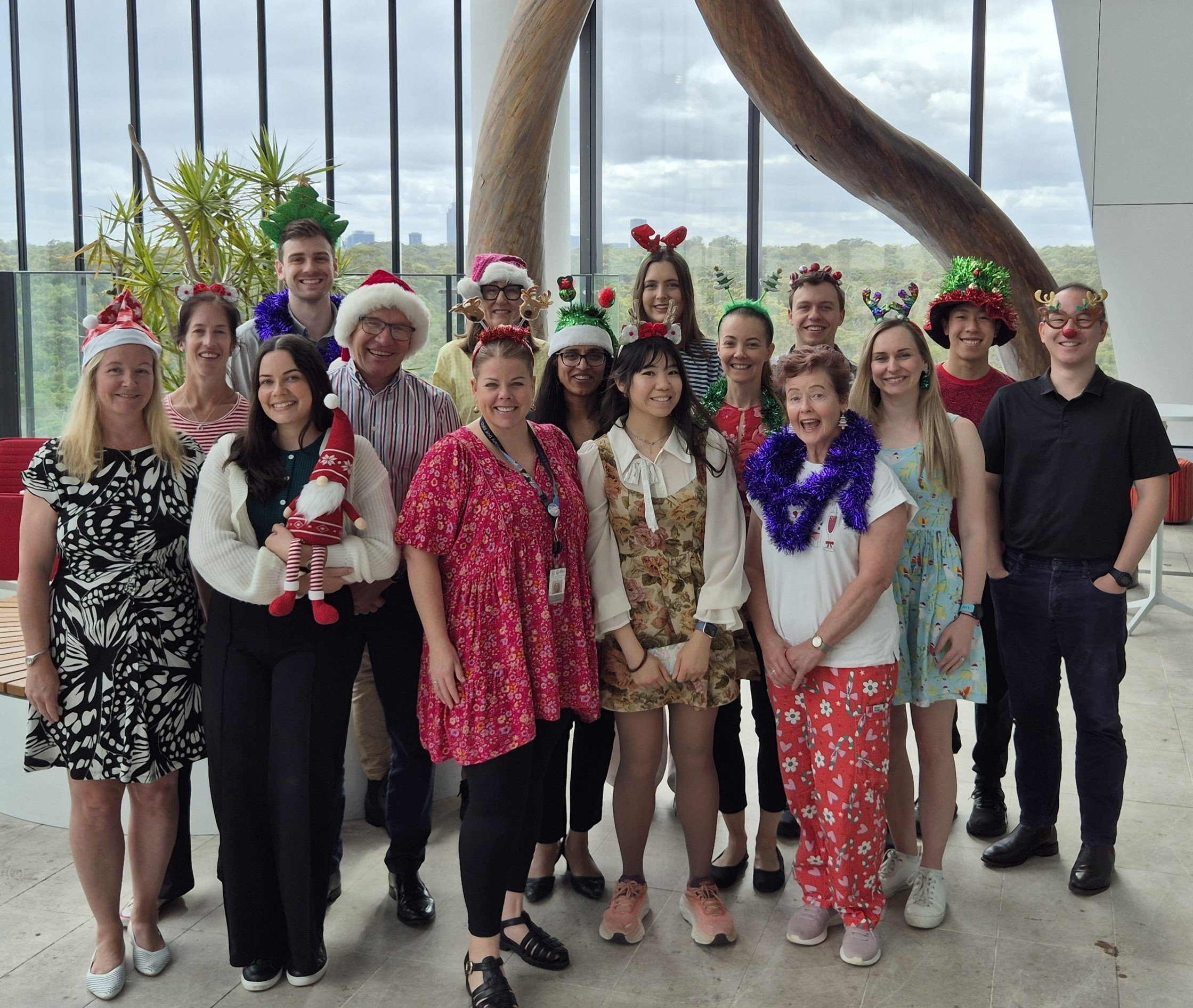
As Christmas approaches, and we start to think about planning our festive break, it is a good time to reflect on the past year and what we have been able to achieve. We hope that this newsletter will be of interest to the families and supporters of the Vaccine Trials Group and the research we do.
Our studies in 2025 have spanned from estimating the real world evidence of how well the maternal RSV vaccine, now on the National Immunisation Program, protects their babies from RSV infection, a new treatment for toddlers having surgery for ear infections, children and adolescents getting boosters against whooping cough, higher valency pneumococcal vaccines and new ways for protecting older adults from COVID-19 and influenza. We sincerely thank all our families and participants who have allowed us to undertake this important research. Building on our previous trials of maternal RSV vaccination, we are very pleased to now be studying the effectiveness (how well it works in the real world) of one of the vaccines now licensed, Abrysvo®, across children’s hospitals in Australia. Preliminary results look very promising for reducing the number of babies admitted to hospital with RSV infection and will be presented at an international conference in Rome in February 2026.
The recent epidemic of whooping cough (pertussis) has also been felt in WA this year, with over 2000 case notifications after the outbreak started in the eastern states in late 2023. Fortunately, most infants are protected through maternal whooping cough vaccination, however, improving the duration of protection in babies and older children is still needed. We are pleased to report that one of the whooping cough vaccines we recently studied in adults, a pertussis only vaccine called Pertagen, has been approved by the European Medicines Agency as a booster for older children and adults. We hope it will also be registered in Australia in the near future. We have also seen another novel pertussis vaccine, given as a nasal spray, progress to phase 3 trials after a successful international trial in children. We hope this nasal spray vaccine will be more effective at decreasing the spread of the pertussis bacteria between children and adults.
We are also waiting anxiously for the results of the Optimum Study after recruiting almost a thousand babies across Australia to see if a whole cell whooping cough vaccine (containing an inactivated whole pertussis bacteria), has reduced the risk food allergy. An unexpected result of this study was published earlier this year showing that the babies who had whole cell vaccine also had better responses to the pneumococcal and Hib vaccines they had received at the same time, and we are now looking into the babies’ immune system to see what caused these improved responses and hopefully better protection. In a collaborative study with colleagues in Adelaide, we found that babies who had been exposed to antibiotics at the time of birth or shortly afterwards did not respond as well to their pneumococcal and Hib vaccines, which was associated with changes to their gut microbiome (bacteria). The results of this study, published in the prestigious journal Nature, have led to a trial of probiotics in babies exposed to early antibiotics to see if it improves their vaccine responses. Importantly, none of this great research could be done without our VTG lab team that have been working hard to measure babies’ antibody responses to all their childhood vaccines in less than a drop of blood.
We’ve are also undertaking research to better understand additional ways we can protect against pneumococcal pneumonia, meningitis and sepsis (blood infection). We have just finished recruitment of babies in the Pneumo21 Study for a new vaccine which covers an additional strain to the recently introduced Prevenar20 vaccine. Thanks again to the families in Perth who have taken part in this important study, and we expect to be involved in more higher valency pneumococcal vaccine studies next year.
I would like to take this opportunity to sincerely thank all of our families, collaborators and colleagues for their support in enabling this vital research. We wish you all a relaxing and peaceful festive break, and a happy New Year spent with family and friends. We look forward to working with you again in 2026.
Merry Christmas!
Professor Peter Richmond
Head of the Vaccine Trials Group